¿Cómo saber si tienes un problema de ATM?
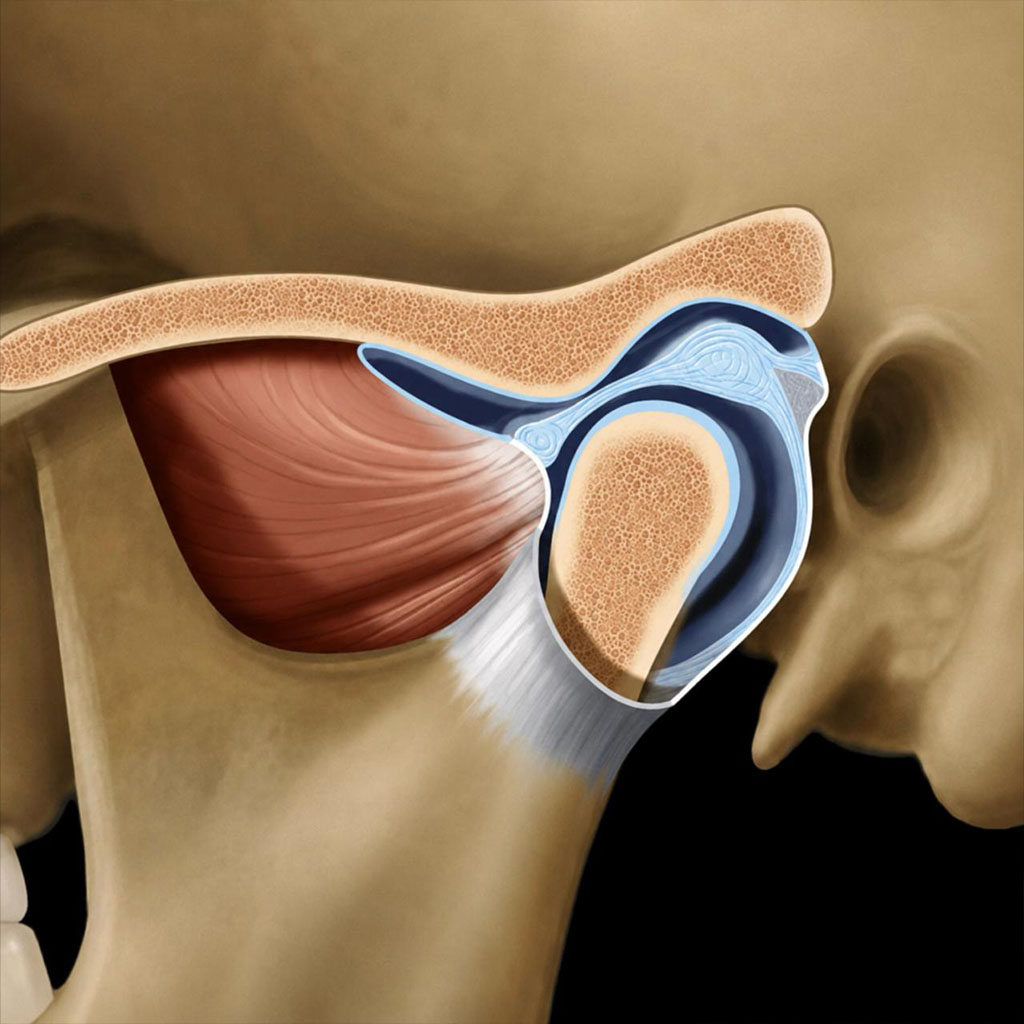
The jaw joint has a disc that allows smooth movement between structures. When this disc is displaced or stops working properly, different symptoms can appear:
- Pain: In the jaw or near the ear.
- Joint noises: Click or crepitation when opening or closing.
- Locking: Sensation of "getting stuck" or difficulty opening the mouth completely.
- Irradiated pain: Towards the face, neck, or head (frequent headaches).
Why do these problems occur?
The most frequent causes usually combine with each other:
- Articular disc displacement or alteration
- Bruxism (clenching or grinding teeth)
- Stress and constant muscle overload
- Trauma or joint diseases (such as osteoarthritis)
Diagnosis and Comprehensive Approach
A proper diagnosis is key to a successful treatment. It is carried out through a detailed clinical evaluation, analysis of symptoms, and imaging studies such as magnetic resonance imaging (MRI) and/or computed tomography (CT). Every patient is different. The goal is not only to treat the joint, but to restore function, stability, and quality of life using a progressive approach that always prioritizes the least invasive.
Specialized Treatment Options
Treatment always starts with the least invasive options, advancing only if necessary. Below, we detail our main treatments for TMJ management:
General Information
Frequently Asked Questions
No, arthroscopy uses millimeter incisions in front of the ear, so the scar is practically imperceptible once healed.
It is a minimally invasive procedure. Discomfort is mild and perfectly controlled with common analgesics during the first few days.
Minimally invasive technique, less postoperative pain, fast recovery, and high diagnostic and therapeutic precision.
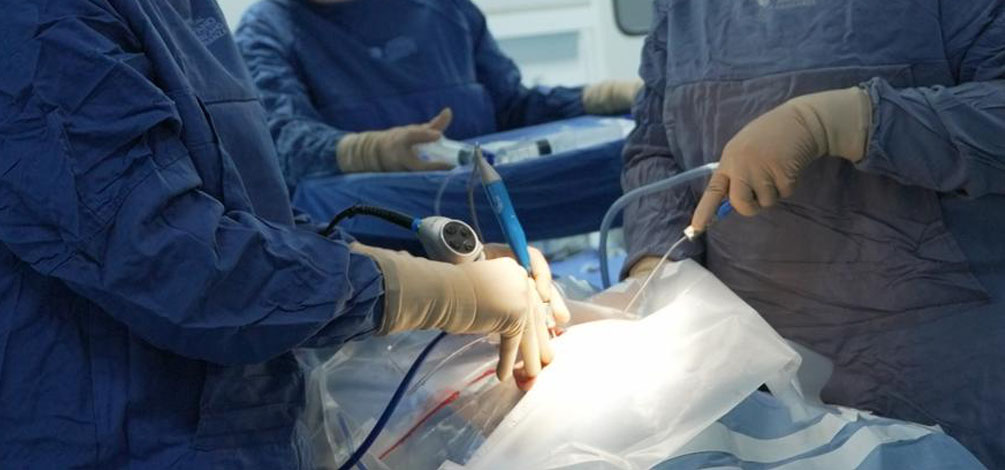
Temporomandibular Joint Arthroscopy
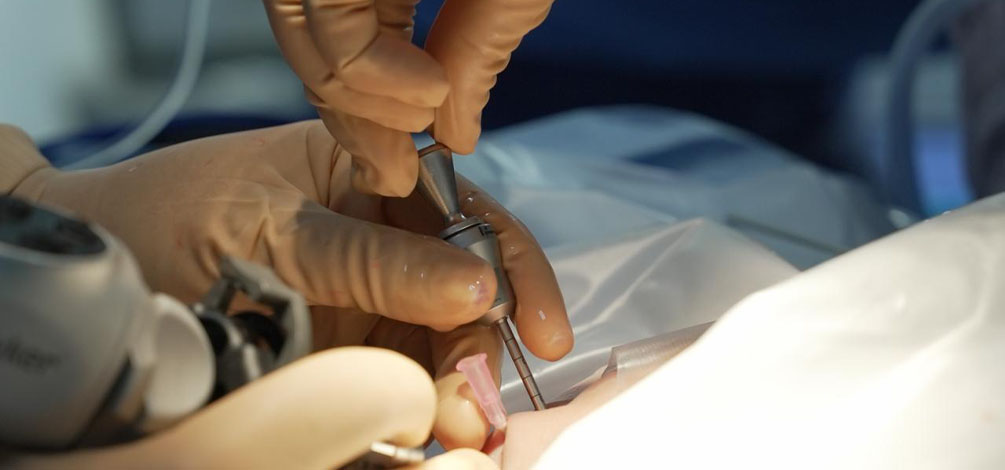
TMJ arthroscopy is a minimally invasive surgical procedure that allows diagnosing and treating alterations within the joint using a high-precision microcamera. Through small incisions in front of the ear, an arthroscope is introduced to directly visualize the joint and perform treatment in the same surgical act.
When is it indicated?
- Persistent joint pain
- Limitation in mouth opening
- Joint lockings
- Noises associated with dysfunction
- Lack of response to conservative therapies
What does it allow to perform?
- Eliminate inflammatory processes
- Release fibrous adhesions
- Improve mobility of the articular disc
- Repositioning in select cases
- Decrease intra-articular pressure
General Information
Frequently Asked Questions
PRP uses growth factors from your own blood to regenerate, while Hyaluronic Acid acts as a lubricant that facilitates joint movement.
It depends on each patient's diagnosis, but generally 1 to 3 sessions are scheduled to maximize benefits.
Mild to moderate joint pain, early stages of TMJ disorders, recurrent joint inflammation, or as complementary support after arthroscopy.
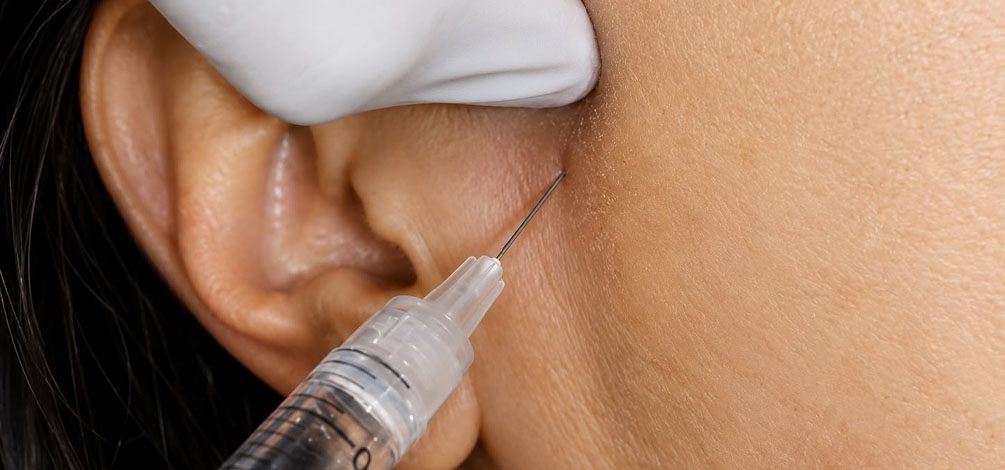
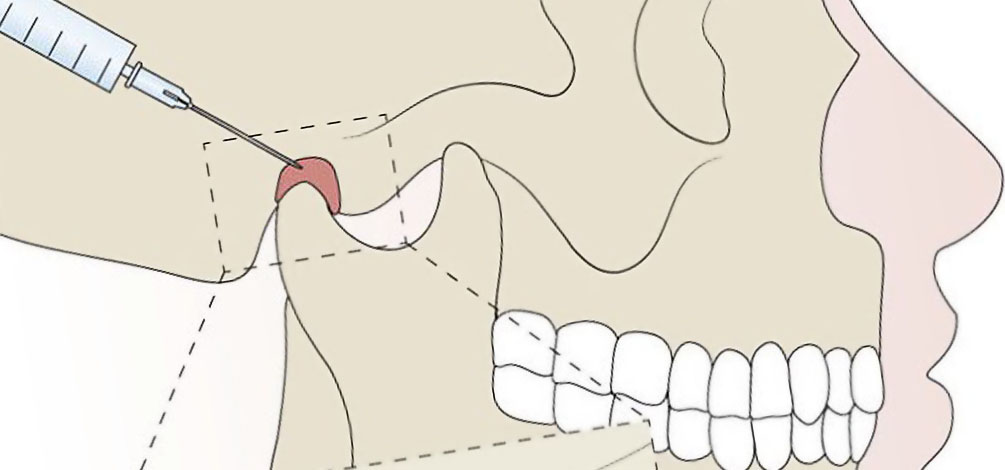
Joint Infiltrations (PRP and Hyaluronic Acid)
TMJ infiltrations are minimally invasive treatments that help reduce pain, improve function, and favor joint recovery. They are performed directly inside the joint using precise and safe techniques in an office setting.
Platelet-Rich Plasma (PRP)
It is obtained from a small blood sample from the patient. By concentrating growth factors, it helps reduce inflammation, stimulate cellular regeneration processes, and improve joint function.
Hyaluronic Acid
It acts as a biological lubricant inside the joint. Its application improves mobility, reduces tissue friction, reduces pain associated with movement, and favors a more stable environment.
General Information
Frequently Asked Questions
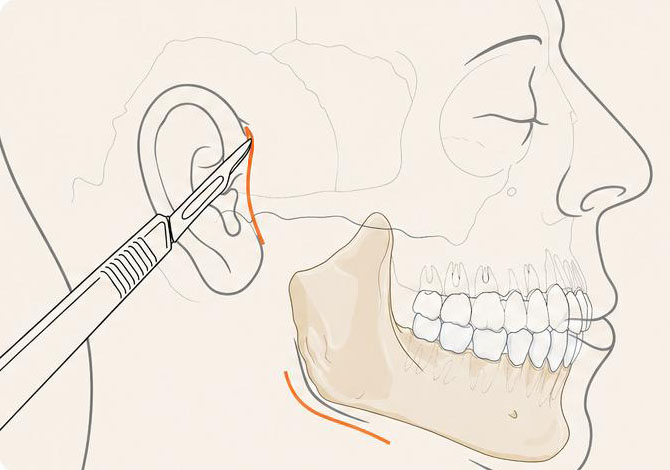
A very careful incision is designed hidden in the natural preauricular folds, making it very discrete once it heals completely.
No, open surgery is reserved for more complex cases where arthroscopy or other methods would not be effective due to the degree of structural damage.
Although it is not the first option, it is highly effective for directly correcting complex structural alterations. It is generally complemented with subsequent physical therapy for maximum results.
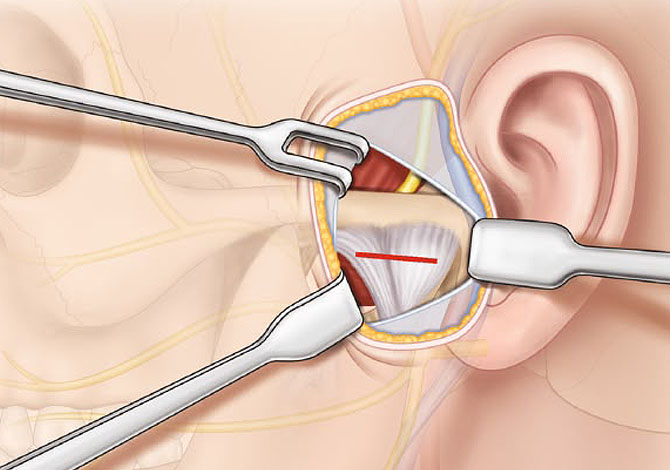
TMJ Open Surgery
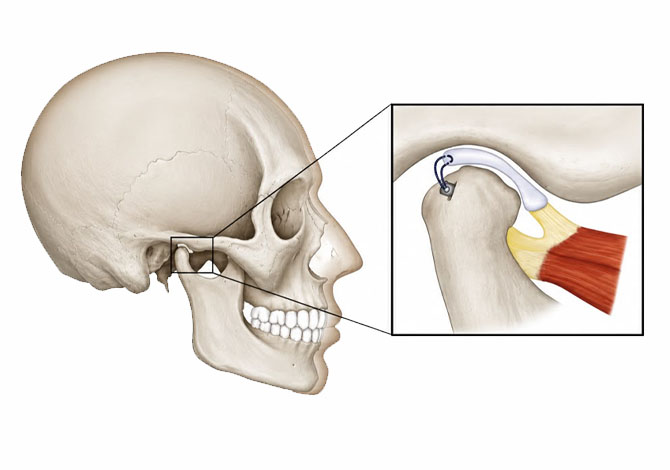
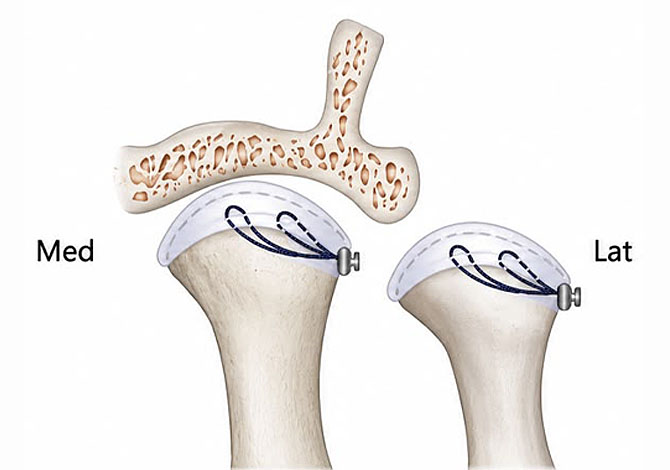
Open surgery is a procedure indicated in complex or advanced cases, when conservative or minimally invasive treatments have not been enough. It allows direct access to the joint through a carefully planned incision in front of the ear, to treat the affected structures precisely.
When is it indicated?
- Severe alterations of the articular disc
- Advanced structural or degenerative damage
- Ankylosis (severe opening limitation)
- Lack of response to arthroscopy
Treatment options
- Discopexia (repositioning and disc fixation)
- Remodeling of joint structures
- Discectomy (removal of the disc)
- Elimination of pathological tissue
General Information
Frequently Asked Questions
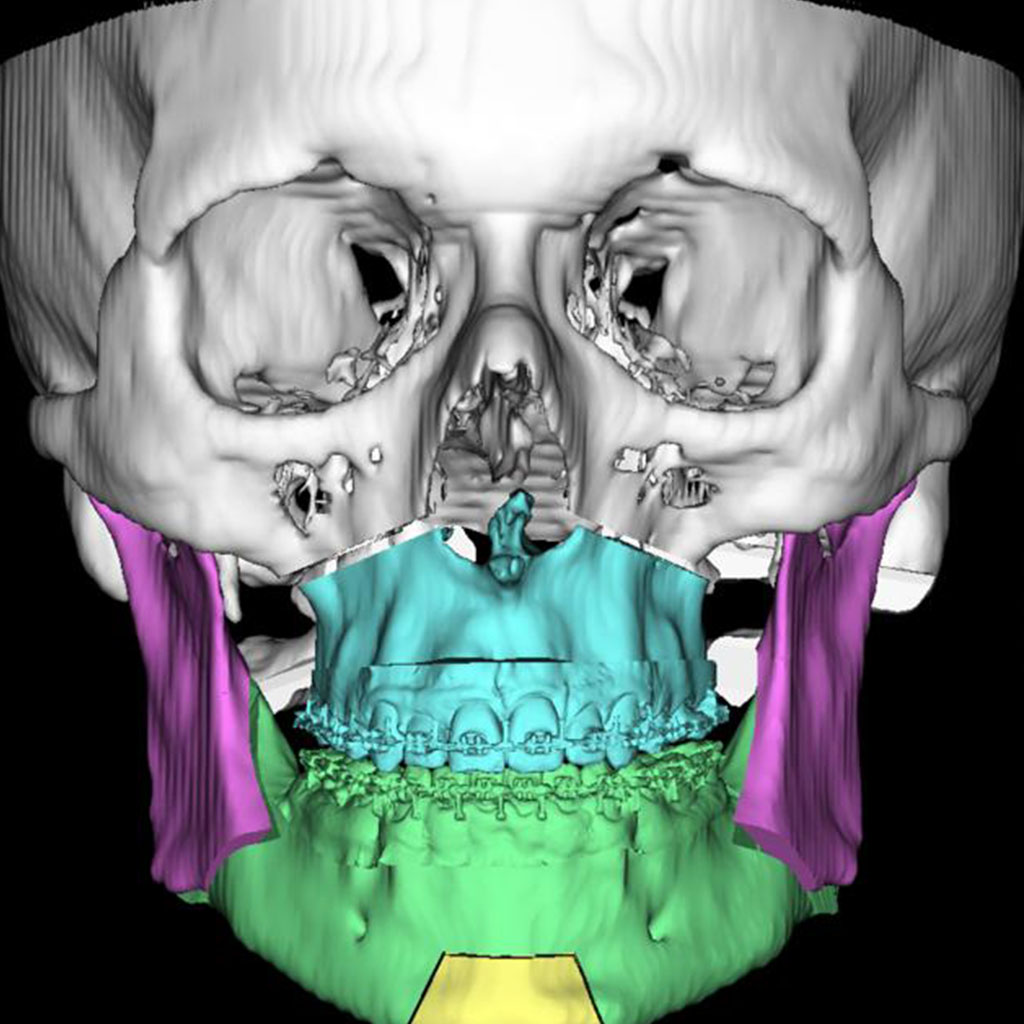
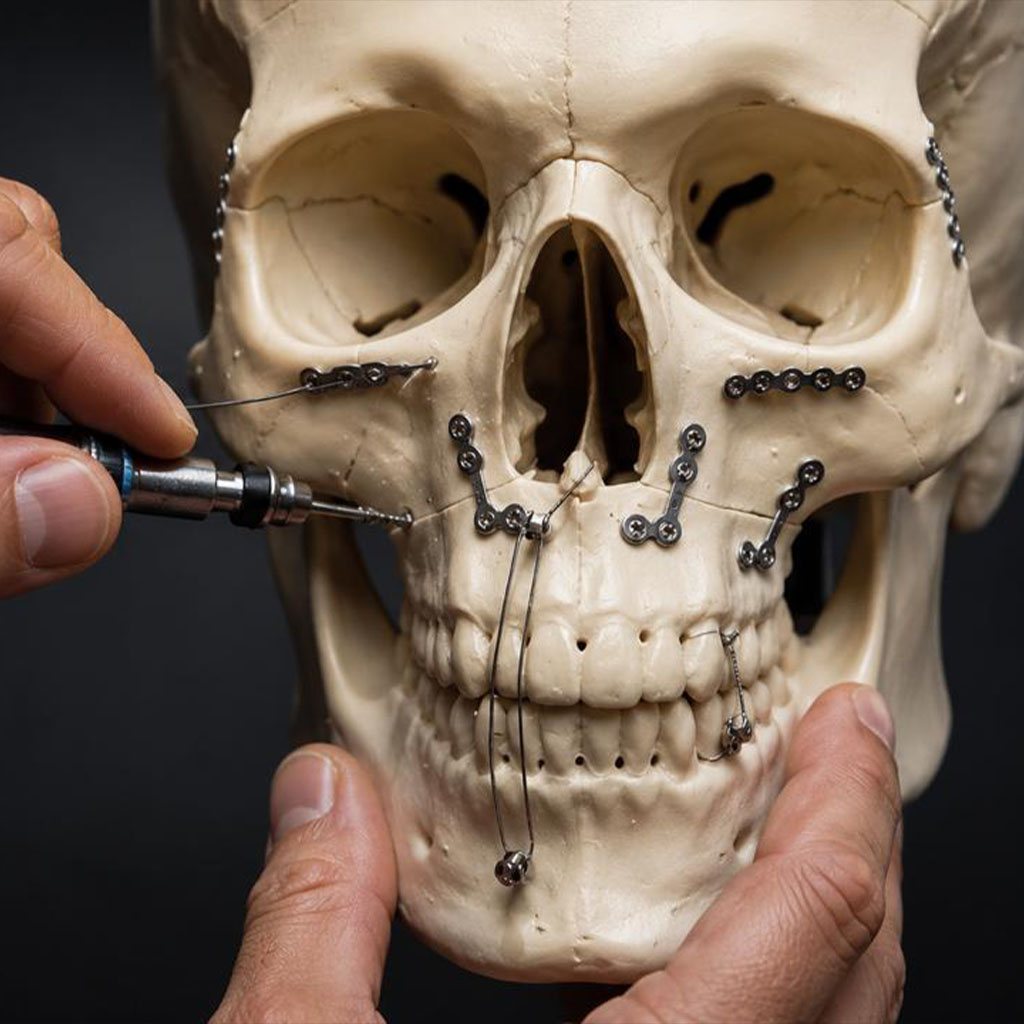
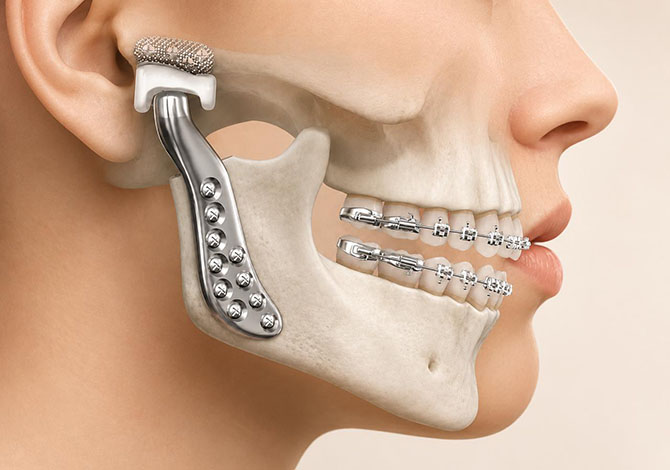
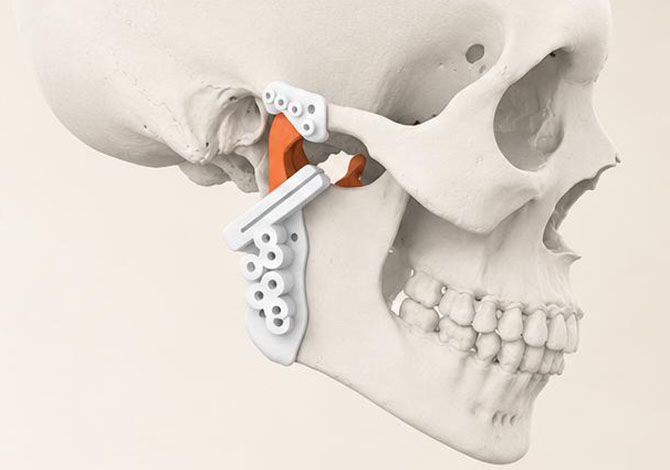
We use state-of-the-art custom-made prostheses in titanium and biocompatible materials, digitally designed using 3D models of your skull.
Yes. Joint replacement is intended as a definitive solution to restore jaw function in joints with irreversible damage.
It is the most advanced option. 3D virtual planning technology is used to design and place a prosthesis perfectly adapted to the patient's anatomy, restoring functionality in a predictable way.
Joint Replacement (TMJ Prosthesis)
TMJ joint replacement is indicated in advanced cases where the joint has suffered severe damage and can no longer be treated effectively. It consists of replacing the damaged joint with a prosthesis specifically designed to restore jaw function and permanently relieve pain.
¿Cuándo está indicado?
- Severe damage or destruction of the joint
- Ankylosis (total joint fusion)
- Failure of previous surgeries
- Very severe degenerative diseases
Main benefits
- Significant relief of chronic pain
- Radical improvement in jaw opening
- Complete restoration of quality of life
- Definitive and long-lasting solution over time
Do you think you are a candidate for this procedure?
Schedule a personalized evaluation to analyze your clinical case in detail and design a surgical plan tailored to you.
Schedule Evaluation